
THE IMPORTANCE ETHICAL INTERNET USE

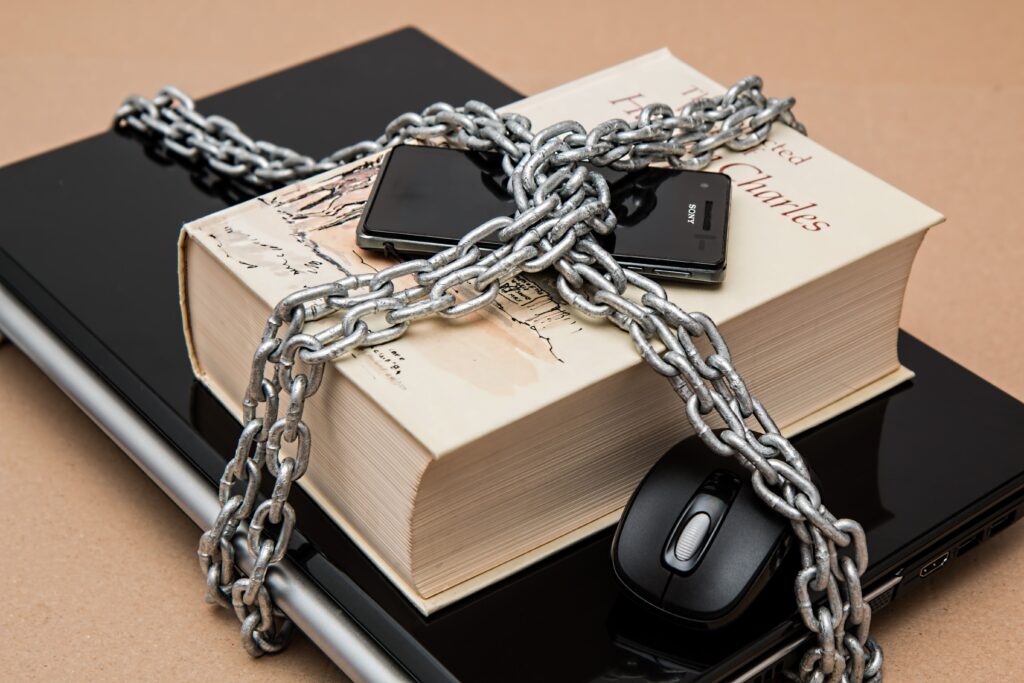
Internet Ethics and Personal Responsibility
The internet has become a major part of modern life. People use it to learn, work, communicate, shop, and entertain themselves every day. While the internet offers many benefits, it also creates responsibilities for every user. Internet ethics refers to the moral principles and good behavior that guide people when they are online. It encourages users to treat others with respect, protect privacy, share truthful information, and avoid harmful actions. Practicing good internet ethics helps create a safer and more trustworthy digital environment for everyone.
Good online behavior is not only about following laws. It is also about making responsible choices that protect both yourself and other people. Every comment, photo, video, or message shared online can affect someone else. Therefore, every internet user should understand that their actions have real consequences.
Why Internet Ethics Matters
The digital world connects billions of people from different cultures, beliefs, and backgrounds. Because of this, respectful communication is more important than ever. A single offensive comment or false accusation can spread quickly and damage someone’s reputation.
Internet ethics helps reduce cyberbullying, online harassment, scams, and misinformation. When users choose honesty and kindness, they contribute to a healthier online community. Ethical behavior also builds trust between individuals, businesses, schools, and organizations that rely on digital communication.
In addition, employers and educational institutions often review a person’s online presence. A responsible digital reputation can create opportunities, while careless online behavior may harm future careers or relationships.
Respect Others Online
Respect is one of the most important values on the internet. Everyone deserves to be treated with dignity, even when opinions differ. Healthy discussions are possible without insults, threats, or hateful language.
Before posting a comment, ask yourself whether your words are helpful, respectful, and necessary. If a message could hurt someone without a good reason, it is better to avoid posting it. Listening carefully, accepting different viewpoints, and responding politely strengthen online communities.
Protecting Privacy and Personal Information
One of the biggest responsibilities online is protecting personal information. Many cybercriminals look for opportunities to steal identities, passwords, or financial details. Users should avoid sharing sensitive information publicly.
Strong passwords, two-factor authentication, and regular software updates improve online security. It is also important to think carefully before sharing photos, locations, or personal details on social media. Once information is published online, removing it completely may be difficult.
Parents should also teach children about online safety, helping them recognize suspicious messages, fake websites, and strangers who may have harmful intentions.
Think Before You Share
Not every piece of information found online is true. Fake news, edited images, and misleading videos spread rapidly across social media platforms. Sharing false information without verification can confuse people and create unnecessary fear.
Responsible internet users verify facts before reposting articles or videos. Reading reliable sources and checking multiple references help reduce misinformation. Taking a few extra minutes to confirm accuracy can protect many people from being misled.
Fighting Cyberbullying and Online Abuse
Cyberbullying affects people of all ages. Hurtful messages, public humiliation, fake accounts, and online threats can cause emotional pain and lasting psychological effects.
Instead of participating in harmful behavior, responsible users should report abusive content and support victims. Social media platforms provide reporting tools that help remove offensive material. Showing kindness and encouraging positive conversations can make a significant difference.
Communities become stronger when users refuse to spread hate and choose empathy instead.
Respect Copyright and Digital Ownership
Many people create valuable content such as articles, photographs, music, videos, and software. Copying or using someone else’s work without permission is unethical and may also violate copyright laws.
Always give proper credit when using another person’s work. If permission is required, request it before publishing or distributing the material. Supporting original creators encourages creativity and innovation across the internet.
Building a Positive Digital Footprint
Every online activity contributes to your digital footprint. Comments, posts, likes, and shared content may remain accessible for many years. A positive digital footprint reflects responsibility, honesty, and professionalism.
Think carefully before uploading anything. Ask yourself whether you would be comfortable if family members, teachers, employers, or future clients saw your content. Making thoughtful decisions today protects your reputation tomorrow.
People who consistently demonstrate integrity online often earn greater trust from others. Their opinions are valued because they communicate responsibly and respectfully.
Conclusion
Internet ethics and personal responsibility are essential for creating a safe, respectful, and trustworthy digital world. Every user has the power to make the internet a better place through honesty, kindness, respect, and careful decision-making. Protecting privacy, verifying information, respecting intellectual property, and treating others with dignity are simple but powerful habits. As technology continues to shape our daily lives, practicing ethical online behavior will remain one of the most important responsibilities every internet user should embrace.