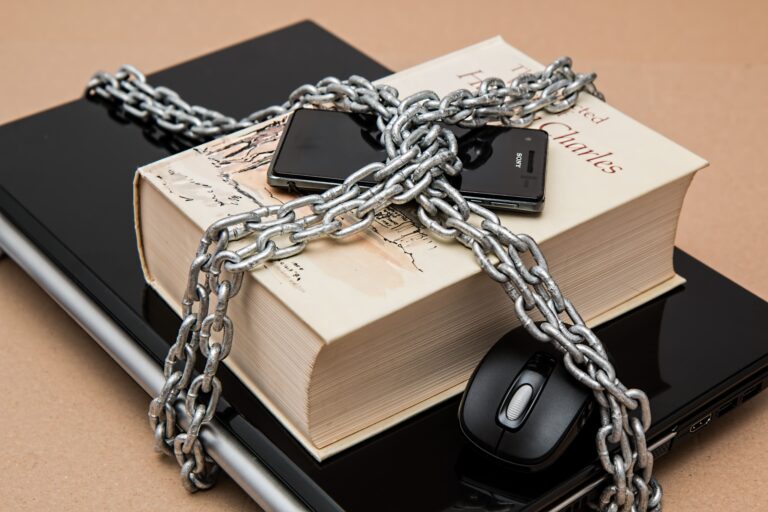
INTERNET ETHICS AND PERSONAL RESPONSIBILITY

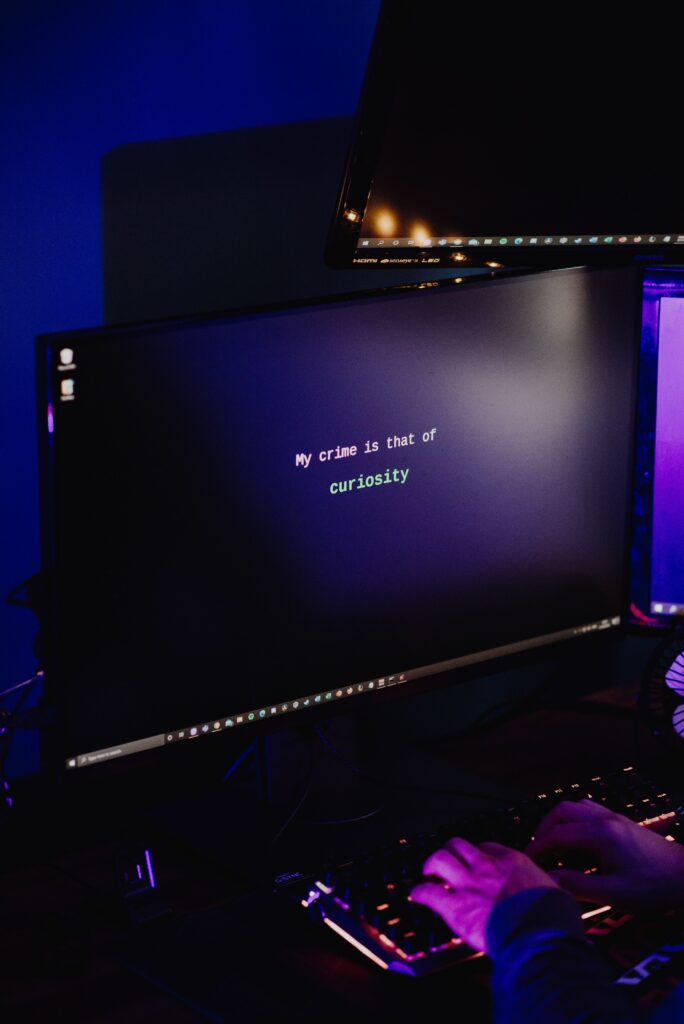
INTRODUCTION
The internet has become an important part of modern life. People use it to communicate, learn, work, shop, share ideas, and entertain themselves. However, having access to digital platforms also brings responsibilities. Every comment, message, photo, or piece of information shared online can affect other people. For this reason, internet ethics and personal responsibility are essential for creating a safe, respectful, and trustworthy digital environment.
Understanding Internet Ethics
Internet ethics refers to the principles that guide how people should behave when using digital technology and online platforms. It includes honesty, respect, privacy, fairness, and responsible communication. Although the internet may feel less personal than face-to-face communication, real people are still affected by what happens online.
A responsible internet user thinks carefully before posting or sharing content. Insulting others, spreading false information, stealing someone’s work, or sharing private information without permission can cause serious harm. Good online behavior means treating others with the same respect that we expect from them.
Think Before You Share
One of the most important principles of internet ethics is thinking before sharing information. Social media allows information to spread within seconds, but not everything found online is accurate. False stories, edited images, misleading headlines, and rumors can easily influence people’s opinions.
Before sharing a post, users should consider its source, accuracy, and possible consequences. Checking reliable sources can prevent misinformation from spreading. A few seconds of careful thinking can protect others from confusion, fear, or unnecessary conflict.
Respecting Privacy and Digital Rights
Privacy is another major part of responsible internet use. People should not publish another person’s private photographs, messages, phone numbers, or personal information without permission. Respecting privacy helps build trust and protects people from embarrassment, harassment, and other forms of online harm.
Users should also respect intellectual property. Copying an article, photograph, video, or other creative work and presenting it as one’s own is unethical. Giving proper credit to the original creator is a simple but important way to demonstrate honesty online.
Responsible Communication
Online communication should be respectful even when people disagree. Arguments can quickly become aggressive when users forget that there is a real person behind every account. Personal attacks, bullying, threats, and hateful language can damage individuals and online communities.
Responsible users express their opinions clearly without deliberately humiliating others. They understand that disagreement is normal, but disrespect is not necessary. Choosing polite words can make online discussions more productive and meaningful.
Personal Responsibility in the Digital World
Personal responsibility means understanding that our online actions have consequences. Deleting a post does not always mean that it has completely disappeared because screenshots, copies, and archives may remain. Therefore, users should develop good digital habits and consider how their online behavior might affect their reputation and future opportunities.
Young people especially need guidance about responsible internet use, but adults also have an important role. Parents, teachers, and communities can encourage digital literacy by teaching people how to recognize unreliable information, protect accounts, respect others, and respond wisely to online problems.
Building a Better Online Community
A better internet cannot be created by technology alone. It requires responsible users who understand that freedom of expression comes with responsibility. Reporting harmful content, supporting respectful discussions, protecting personal information, and refusing to spread rumors are small actions that can make a significant difference.
When people practice good internet ethics, online spaces become more useful, respectful, and trustworthy. Each person contributes to the digital environment through everyday choices, whether by posting a comment, sharing information, or communicating with another user.
Conclusion
Internet ethics and personal responsibility are essential in today’s connected world. The internet provides powerful opportunities, but those opportunities must be used wisely. Respecting privacy, checking information, communicating politely, protecting creative work, and thinking before sharing are important habits for every user. Ultimately, responsible internet use begins with individual choices. When each person accepts responsibility for their digital behavior, the internet can become a safer, more respectful, and more valuable place for everyone.